ServicesPatio Doors
Patio Door Replacement in Shoreline
We swap out worn sliding and hinged patio doors for units that meet Washington energy code and safety glass rules, seated on a flashed sill so rain drains away from your home. The new door rolls easily, latches tight, and most of our installs are done in one day.
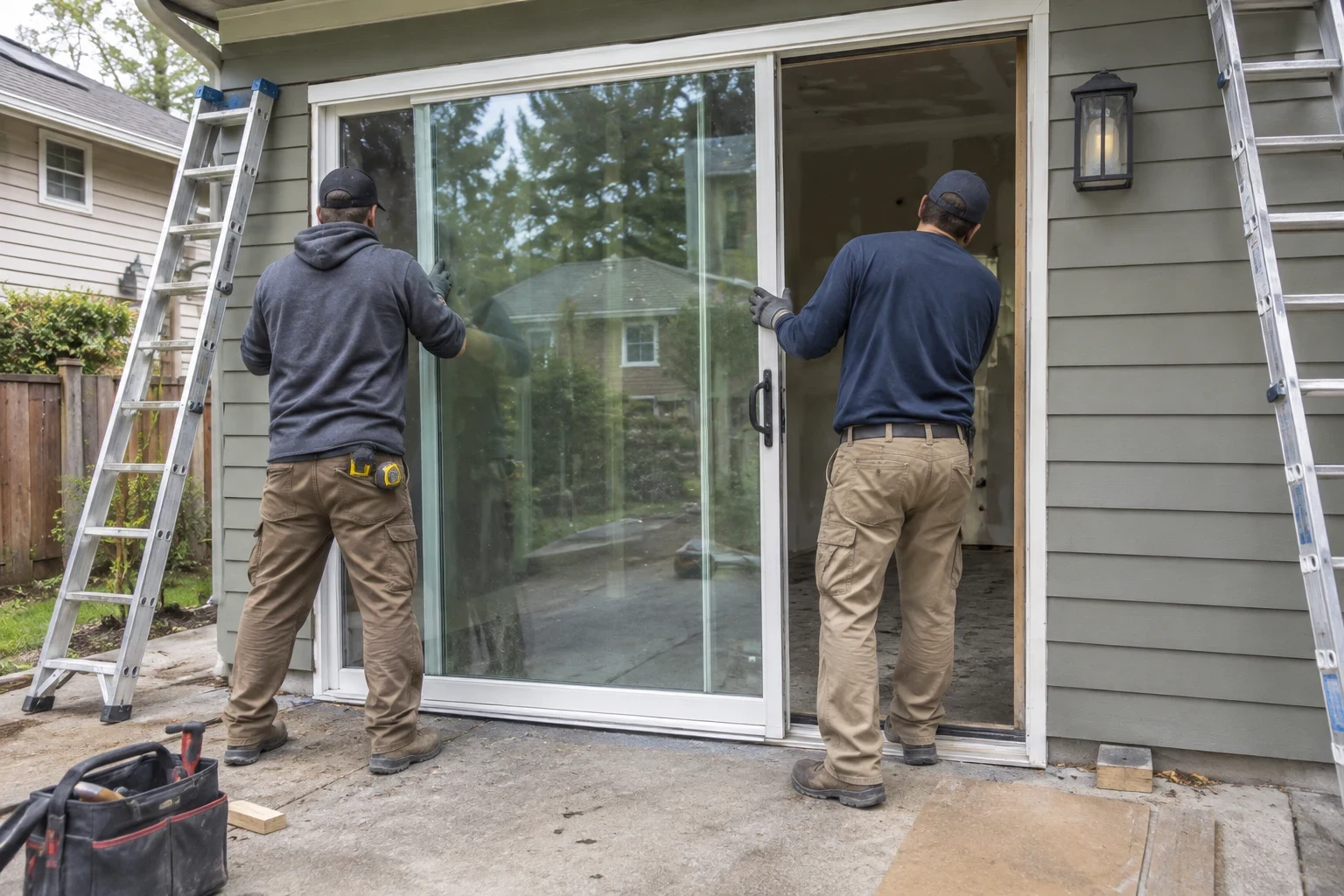
A Patio Door Is a Big Opening. We Treat It That Way.
A patio door is the largest moving piece of glass in most homes. It has to stand up to foot traffic, kids, pets and years of rain driving against the sill. When the rollers wear out, the seals shrink or the frame starts to rot, the door gets hard to open and lets cold air and water into your home.
Replacing one is more than swapping a panel. The glass must be tempered by code, the new unit has to meet the state energy code, and the opening needs a sill pan and proper flashing so water has a way out. If you want a wider opening or a different style, the header above it may need to change, and that usually means a permit and an inspection.
Before any work starts, we go through which of those steps apply to your door and which do not, so nothing catches you off guard. Our company is licensed, insured and bonded, and every patio door we put in is backed by a 10-year workmanship warranty.
What Your Patio Door Replacement Includes
- Measuring and a written estimate
- We measure the rough opening, check the floor for level and look at the sill for soft wood. You get a written, line-item estimate so nothing is a surprise later.
- Careful removal of the old door
- We pull the old panels and frame without tearing up the interior trim or the flooring next to the threshold. Drop cloths go down first.
- Sill pan and flashing
- A sloped sill pan goes under the new threshold, and flashing tape laps over it in the right order. This is the detail that keeps water from creeping into the subfloor during a long wet season.
- Code-compliant glass and frame
- Every door we install has tempered safety glass and meets the energy code for U-factor. We show you the label on the unit so you can see the ratings yourself.
- Adjustment, hardware and cleanup
- We set the rollers or hinges, adjust the lock so it catches cleanly, and seal the exterior. Then we haul away the old door and vacuum up before we leave.
When a Patio Door Has Worn Out
Sliding takes real effort
If you have to put your shoulder into it, or the panel hops off its rail, the rollers are probably shot or the track is bent. New rollers sometimes solve it, and we will say so if that is the case.
Fog between the panes
Moisture inside the glass means the seal has failed. The door has lost much of its insulating value.
Soft or stained wood at the sill
Dark stains, spongy flooring or peeling paint near the threshold point to water getting under the door. The sooner it is caught, the less subfloor needs repair.
Drafts you can feel
If you feel cold air along the edges on a windy day, the weatherstripping has shrunk or the frame has shifted.
The lock will not line up
A latch that no longer catches is a security problem, and it often means the frame has settled out of square.
Older glass with no safety label
Older doors may not have tempered glass. A look at the corners of the glass for a small etched mark tells us right away.
How Install Day Goes
- 1
Consultation and code check
We look at the opening, talk through styles and confirm whether your project needs a permit. A same-size swap often does not; changing the opening size usually does, and we pull it when it is required.
- 2
Ordering your door
Patio doors are built to size. We order yours once you approve the estimate and schedule the install when it arrives.
- 3
Removal and prep
We protect your floors, remove the old door and inspect the sill framing. If we find rot, we photograph it and explain the repair before going further.
- 4
Setting and sealing
The sill pan goes in, the door is set level and plumb, and we flash, insulate and trim it. Most installs are finished in a single day.
- 5
Walkthrough and inspection
We show you how the door operates and locks. If the job called for an inspection, we schedule it and meet the inspector.
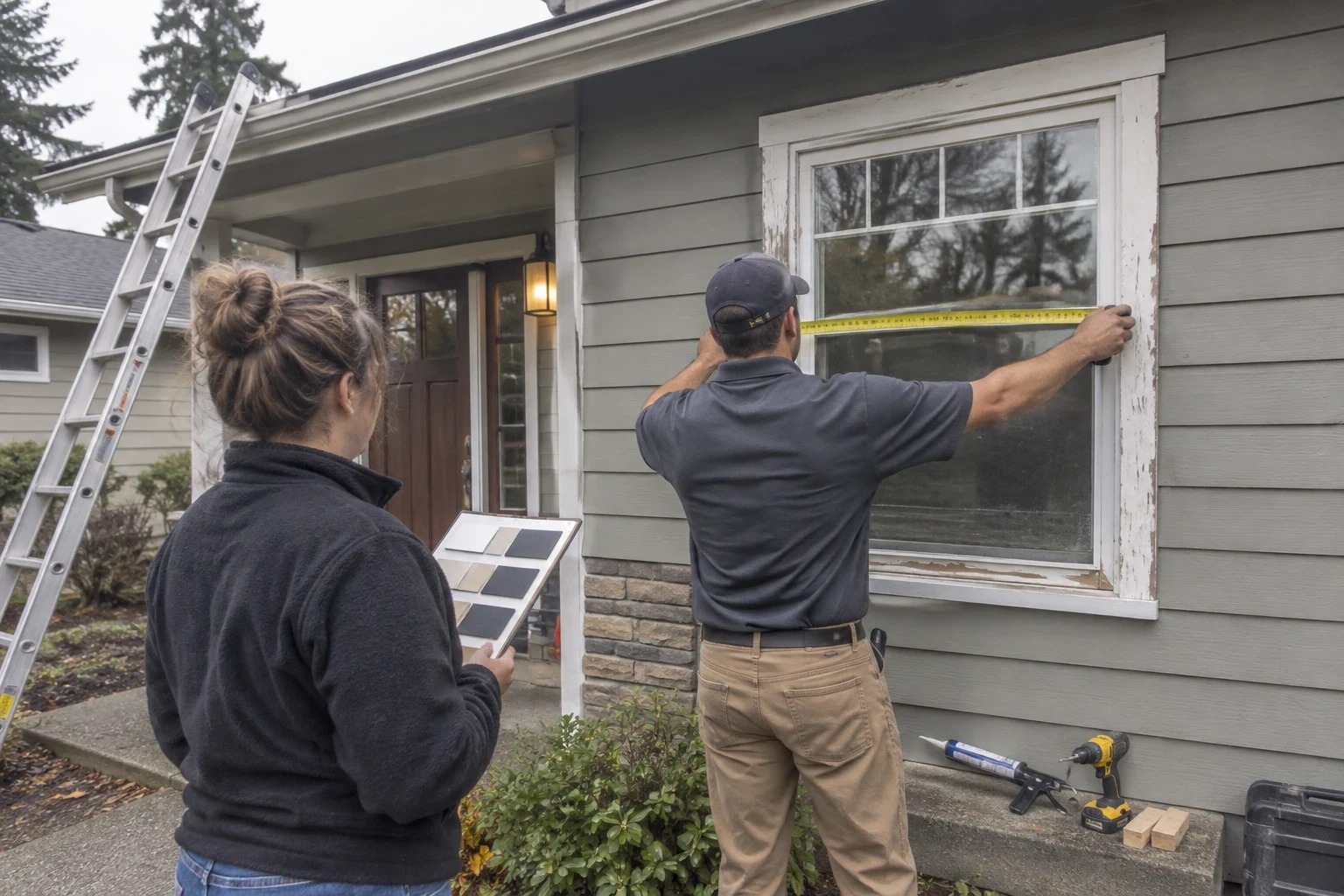
What Moves the Price of a Patio Door
Each patio door is priced from your opening and the door you pick, so no two quotes look quite the same. We walk through every line of the estimate with you before anything is ordered. If paying all at once is a stretch, ask us about flexible payment options.
- Door style and size
- A two-panel slider, a hinged French door and a multi-panel unit are very different builds. Wider and taller doors cost more in glass and framing.
- Frame material and glass package
- Vinyl, fiberglass and wood-clad frames vary in price and upkeep. Added low-E coatings or triple panes raise the cost and the comfort.
- Condition of the sill and subfloor
- If years of leaks have softened the framing under the old door, that wood has to be replaced before the new one goes in.
- Resizing the opening
- Making the opening wider, or turning an existing window into a doorway, calls for a new header above it and a permit. Keeping the current size keeps the work simpler and the cost lower.
Patio Door Questions
Something not covered here? (206) 483-0678
Do I need a permit to replace my patio door?
For a same-size replacement, often not. If we enlarge the opening, change the header or turn a window into a door, a permit and inspection are usually required. We check your specific job and handle the paperwork when it is needed.
Can I switch from a slider to French doors?
Yes, in many cases. Hinged doors need room to swing, so we look at furniture, floor clearance and the deck or patio outside before recommending it.
Why does the glass have to be tempered?
Building code treats glass in doors as a hazardous location. Tempered glass breaks into small pieces instead of sharp shards, which protects anyone who walks or falls into it.
Will my floors or trim get damaged?
We cover the floor, remove the old door carefully and save interior trim when it is in good shape. If something needs replacing, we tell you before we start.
Is the install covered by a warranty?
Yes. Our patio door installation comes with a 10-year workmanship warranty, and the door itself carries the manufacturer's coverage.
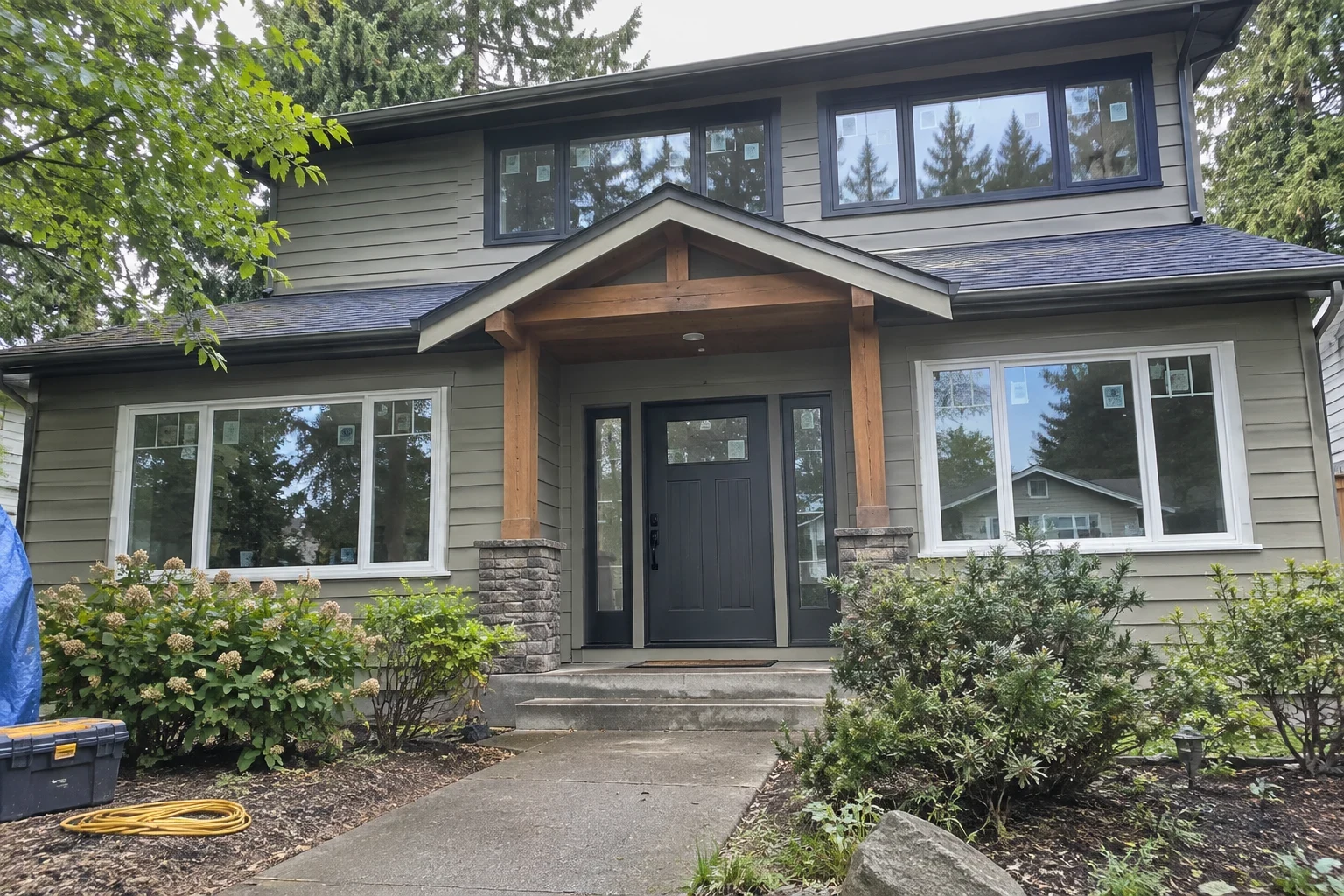
Let's Talk About Your Patio Door
Pick up the phone and we will cover door styles, what code expects from your opening and what shapes the price. Your quote costs nothing, and you can take all the time you need to think it over.